
Decoding Nutrition Labels Like a Pro
Learn what nutritionists really look for when reading food labels. Discover the hidden details that transform your food choices into informed decisions backed by expert insight.
The information on this site is for educational purposes only and does not constitute medical advice. Always consult a qualified healthcare professional before making health decisions.
Why Nutritionists Care About Label Details
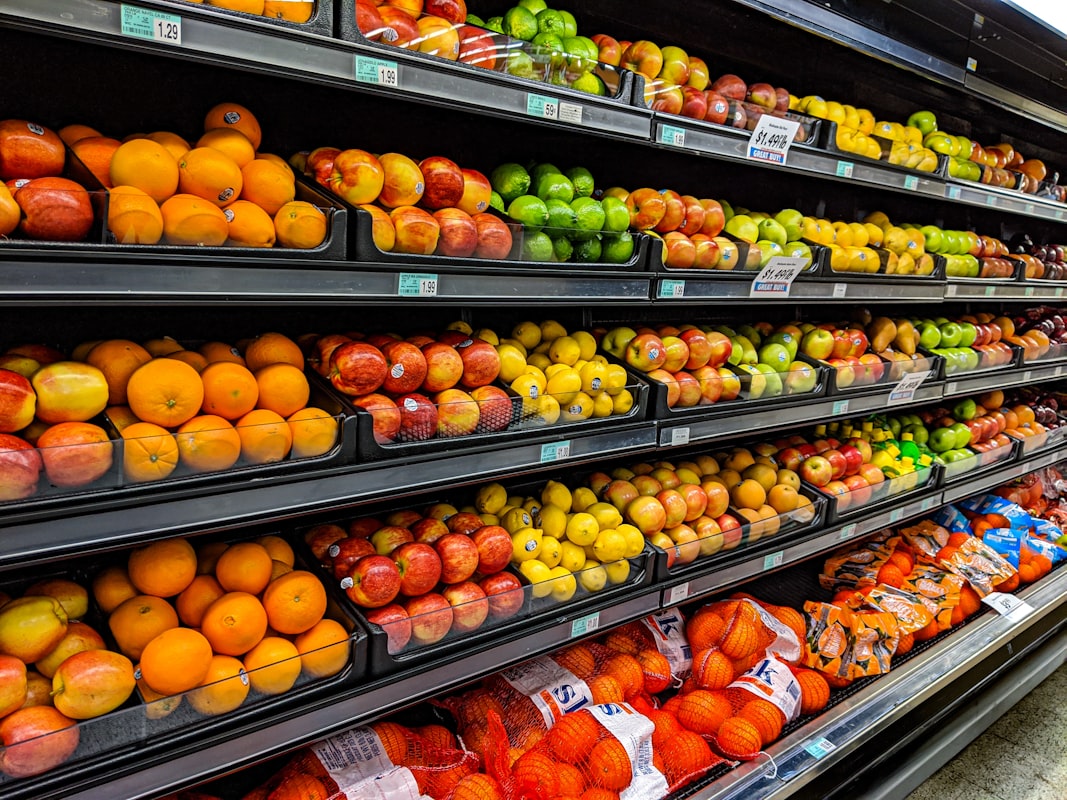
Food labels are communication tools between manufacturers and consumers. Nutritionists spend years learning to interpret these labels accurately because what appears on the front of a package often differs significantly from the complete nutritional picture found on the back.
Understanding label terminology, portion sizes, and ingredient lists helps you recognise marketing claims that may mislead. A product marked "low fat" might be high in added sugars. Something labelled "natural" may still contain ultra-processed ingredients. These distinctions matter when building a balanced approach to food choices.
Our editorial team has compiled comprehensive guides based on current nutritional science and professional recommendations. These resources help you navigate labels with the same critical eye that qualified nutrition professionals use every day.
Explore Label GuidesRed Flags Nutritionists Look For
Hidden Added Sugars
Sugar appears under many names on ingredient lists: sucrose, glucose syrup, agave nectar, concentrated fruit juice. Learning these aliases helps you spot total sugar content that manufacturers may not emphasise on the front label.
Ultra-Processed Ingredients
Long lists of unrecognisable chemical names often signal heavy processing. Ingredients like emulsifiers, stabilisers, and artificial flavours may indicate the food has been substantially altered from its original form.
Misleading Front-Label Claims
Terms like "natural", "wholesome", "made with real fruit", or "no added sugar" may comply with regulations but don't necessarily indicate nutritional quality. Always compare these claims against the nutritional information panel.
Deceptive Portion Sizes
A "low sugar" label may list nutrition per 20g serving when the entire package contains 100g. Checking serving size against what you actually eat prevents misinterpreting nutritional values significantly.
Confusing Percentage Claims
"Made with 50% whole grain" still means 50% is not whole grain. Percentage claims need context—they may meet minimum standards without offering substantial nutritional benefit compared to alternatives.
Ingredient Order Confusion
Ingredients listed by weight don't tell you exact percentages. A product with five sugars listed separately may contain more total sugar than if they were combined, though each individual ingredient ranks lower on the list.
5-Step Label Reading Method by Experts
Check Serving Size
Before reading any nutritional values, verify the serving size and number of servings per package. This baseline determines whether all other values are realistic for your actual consumption.
Scan the Ingredient List
Read ingredients from beginning to end. Remember: they're listed by weight. Watch for added sugars, unhealthy fats, and unrecognisable chemical names that suggest significant processing.
Review Key Nutrients
Focus on calories, protein, added sugars, sodium, and saturated fats. Compare these against daily reference values to understand whether this product fits within your broader nutritional approach.
Spot Front-Label Claims
Compare eye-catching claims on the package front with actual nutritional data on the back. Marketing language doesn't always reflect nutritional quality or align with your dietary priorities.
Compare Alternatives
Use similar products as benchmarks. This contextual comparison reveals whether you're choosing the better option within a category, rather than judging each product in isolation.
Common Label Misconceptions Explained
Does "natural" mean healthier?
No. "Natural" has no strict regulatory definition and doesn't guarantee nutritional value. Cane sugar is natural but still added sugar. Salt and saturated fat are natural substances. Always check the nutrition panel rather than relying on marketing descriptors like "natural" or "organic".
What's the difference between added and natural sugars?
Your body processes added and naturally occurring sugars similarly. A smoothie with added syrup and a smoothie made purely from fruit have similar metabolic effects, though the fruit version offers fibre and micronutrients. Labels now separate these categories to help you identify processing decisions.
Are calories from fat worse than other calories?
Not inherently. Total caloric intake matters for weight management, but fat contains important nutrients and affects satiety differently than carbohydrates. The type of fat (saturated, unsaturated, trans) matters more than simply the presence of fat on a label.
What does "no added sugar" really mean?
It means no sugar was added during manufacturing, but the product may contain naturally occurring sugars and sweeteners. A juice labelled "no added sugar" contains naturally high sugars. The claim doesn't indicate sweetness level or total sugar content—always check the nutrition facts panel.
How reliable are nutrition fact panels?
Manufacturers must test and report accurately, but small variations are allowed (typically ±20% per nutrient). These panels are most reliable when comparing similar products or calculating totals across multiple servings you actually consume.
Should I avoid all processed foods based on labels?
Not necessarily. Some processing improves food safety and nutrition preservation. A frozen vegetable is processed but retains nutrients. A canned bean product is processed but offers convenience and similar nutritional value. Judge individual products by their actual label contents rather than processing level alone.
Real Stories from Nutrition Professionals
"
Working with clients, I found that simply teaching them to read labels transformed their choices within weeks. They stopped buying products with misleading front-label claims and started understanding what they actually consumed. The framework your resources provide is exactly what I needed to explain these concepts clearly to people without nutrition backgrounds.
Sarah Mitchell
Edinburgh
"
As someone who advises people on food choices daily, I appreciate resources that cut through marketing noise with real science. Your guides on sugar labelling and ingredient list interpretation are accurate and practical. I recommend them regularly because they empower people to make decisions confidently, rather than relying on trends or restrictive rules.
David Chen
Manchester
"
I've been educating people about nutrition for over fifteen years, and seeing materials this accurate and accessible is refreshing. Your explanations of misleading claims address genuine frustrations my clients express. They appreciate the practical five-step method—it gives them a structure for decision-making that works in real grocery shopping situations.
Emma Thompson
Bristol
"
Our wellness team needed reliable content to share with organisation members about reading labels. This platform provided exactly that—scientifically sound, well-written, and genuinely helpful. The red flags section alone has sparked dozens of conversations about marketing versus nutrition. People leave conversations armed with actual knowledge rather than confusion.
James Patterson
London
Start Making Informed Choices Today
Food labels contain crucial information. Learning to read them expertly transforms your relationship with the products you choose. Explore our comprehensive guides, articles, and resources built on current nutritional science and professional expertise.